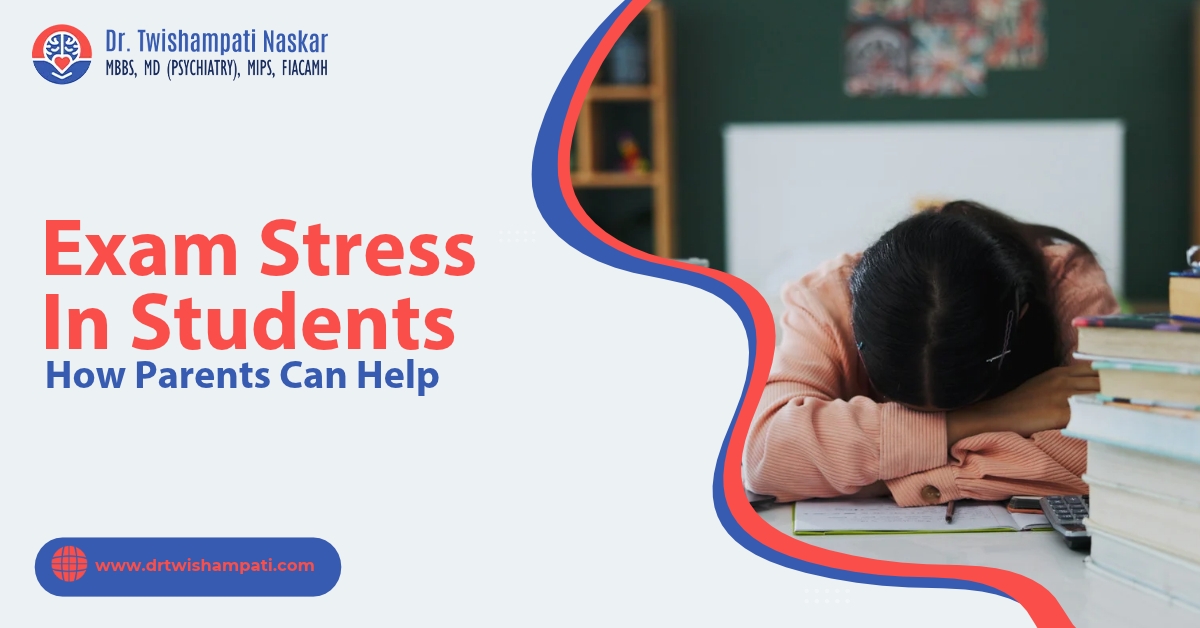



Exam stress in students may start when there is too much to study in a short time, certain subjects seem difficult, or children worry about their marks. Pressure to meet their parents’ expectations can add to these worries. Help can be taken in this situation from a psychiatrist in Siliguri.
You may notice your child getting annoyed easily, losing interest in their favourite activities, or sitting with their books but struggling to concentrate. They may also sleep poorly or feel tired during the day.
Children may not always tell you what is bothering them. Pay attention to changes in their behaviour and ask if they are having trouble with their studies. Let them speak openly without worrying that you will scold them or compare their marks with others.
What Are the Common Reasons Behind Exam Stress in Students?
Students may feel stressed for different reasons. Some common ones include:
- Fear of Low Marks
- Parental Expectations
- Heavy Study Workload
- Fear of Failure
- Comparing Marks with Classmates
- Incomplete Preparation
- Worries About the Future
- Poor Time Management
- Pressure to Score High Marks
- Lack of Confidence
- Spending Too Much Time Revising
- Fear of Disappointing Parents
What Are the Signs of Exam Stress in Students?
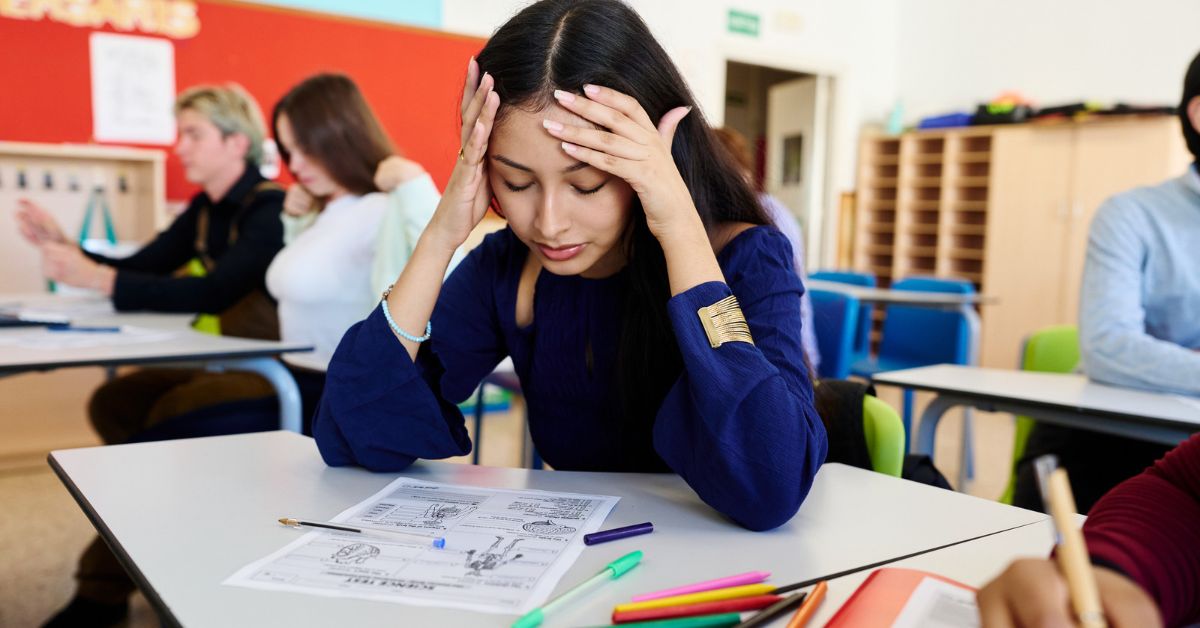
You may notice that your child behaves differently when exams are near. They may get upset easily, avoid studying, or stop taking part in activities they usually enjoy.
Irritability:
Your child may get angry over small things, lose their temper, or snap at you when you ask about their studies.
Lack of Confidence:
Your child may keep saying they are not prepared, worry about getting low marks, or feel that their classmates are better at studying.
Avoiding Studies:
Your child may keep delaying study time, skip difficult chapters, or leave lessons unfinished.
Changes in Appetite:
Your child may skip meals, eat less than usual, or refuse foods they normally enjoy.
Withdrawal from Others:
Your child may spend more time alone, avoid meeting friends, or stop joining family activities.
Restlessness:
Your child may keep getting up from their study table, move around frequently, or find it difficult to relax.
Crying or Feeling Overwhelmed:
Your child may cry after making mistakes, get upset over a difficult question, or feel that there is too much left to study.
If these changes continue or start affecting your child's sleep, meals, studies, or time with others, speak to your doctor.
How Can Parents Help Students Manage Exam Stress?
Create a Supportive Home Environment
Your child should be able to tell you when a subject feels difficult or when they are worried about their marks. Give them a chance to speak without interrupting or getting angry.
- Ask how their studies are going.
- Listen when they talk about a difficult subject.
- Appreciate the time they spend studying.
- Avoid comparing their marks with other children.
- Help them when they ask for it.
Encourage Study Breaks and Physical Activity
Your child does not have to sit with books all day. Short breaks give them time to rest before returning to their lessons.
- Go for a walk or cycle together.
- Let them play outdoor games.
- Give them time to enjoy their hobbies.
- Encourage short breaks between study sessions.
Support Healthy Eating and Sleeping Habits
Some children get so caught up in studying that they forget to eat or stay awake late to finish a chapter. Keep an eye on their daily routine.
- Serve meals at regular times.
- Keep water available while they study.
- Encourage them to sleep at a regular time.
- Discourage staying up late to study.
- Limit coffee, tea, and energy drinks.
Teach Simple Ways to Relax
If your child feels nervous before an exam, help them take a break from their books and do something they enjoy.
- Take a few slow, deep breaths.
- Listen to their favourite music.
- Try simple breathing exercises.
- Spend some time outside.
- Step away from the books when feeling tired.
Build Your Child’s Confidence During Exams
If your child gets a question wrong or scores fewer marks than expected, do not make them feel bad about it. Help them understand where they can improve.
- Appreciate their efforts.
- Help them with difficult topics.
- Set small, achievable goals.
- Encourage them to learn from mistakes.
- Notice the progress they make.
- Avoid negative comments.
Choose Encouraging Words Instead of Putting Pressure
Children may feel more nervous when parents keep talking about marks. A few supportive words can help them feel less worried.
|
Avoid saying |
Say this instead |
|
You must score above 90%. |
Do your best with your preparation. |
|
Why are your marks lower than theirs? |
Which topics need more practice? |
|
You are not studying enough. |
Would you like me to help you plan your study time? |
|
You will fail if you don’t work harder. |
Let’s work on difficult subjects together. |
How Parents Support Children Before, During, and After Exams
Your child may need your help with different things before and after each exam.
Before Exams
- Keep books and notes ready.
- Help your child make a study timetable.
- Encourage regular revision.
- Keep things calm at home.
During Exams
- Keep pens, pencils, and other stationery ready.
- Make sure your child eats and sleeps well.
- Reassure them if they feel nervous.
- Do not put pressure on them at the last minute.
After Each Exam
- Let your child relax for a while.
- Do not immediately ask too many questions about the paper.
- Help them focus on the next exam.
- Appreciate the effort they have put in.
What Should Parents Avoid During Exam Season?
Some things parents say or do without realizing it can make children feel more stressed. Try to avoid these habits during exam preparation:
- Do not compare your child with others, as this can lower their confidence.
- Do not expect too many marks or a high rank from your child.
- Do not keep asking your child whether they have studied.
- Do not ignore changes in your child's mood, sleep, or behavior.
- Do not stop your child from enjoying games, hobbies, and other activities.
- Do not make negative comments about your child's marks or abilities.
When Should Parents Seek Professional Help for Exam Stress?
Pay attention if you notice any of these changes in your child:
- If your child constantly worries about exams or results.
- If your child has trouble sleeping or eating properly.
- If your child refuses to attend school or sit for exams.
- If your child avoids spending time with friends and family.
- If your child loses interest in activities they usually enjoy.
- If your child often complains of headaches, stomach pain, or tiredness.
- If your child cries frequently, gets irritated easily, or talks about feeling hopeless.
A mental health professional can help your child deal with exam-related worries. If your child often complains of physical problems, consult a doctor.
Tips for Students to Manage Exam Pressure
Students can make a few changes to their daily routine to manage their studies without putting too much pressure on themselves.
- Make a proper timetable for each subject.
- Do not leave the whole syllabus for the last few days. Start revising early.
- Take short breaks between study sessions.
- Follow a regular sleep schedule and avoid staying up late.
- Eat meals on time and drink enough water.
- Go for a walk, stretch, or play outdoor games.
- Spend more time practising questions from difficult subjects.
- Focus on your preparation instead of comparing marks with classmates.
- Ask your parents or teachers for help when you find a topic difficult.
Conclusion
Exam time can be difficult for children, and they need their parents to understand what they are going through. Listen to their worries, help them with their studies, and avoid putting extra pressure on them.
Good marks matter, but so do your child's confidence and emotional wellbeing. Do not make them feel that their results decide how proud you are of them.
Children learn at different speeds. Appreciate their efforts instead of comparing their marks with others.
FAQs
Can exam stress affect a student's academic performance?
Yes. Exam stress can make it harder to concentrate, remember lessons, sleep well, and perform well in exams.
How can students stop worrying about exam results?
Focus on your preparation rather than thinking too much about marks. Follow your study timetable, take breaks, and talk to someone you trust when you feel worried.
What should I do if my child refuses to study?
Talk to your child and ask what is making it difficult for them to study. Help with difficult subjects and start with small study goals.
Can exam stress cause headaches and sleep problems?
Yes, exam stress may affect sleep and can be associated with headaches or changes in appetite. Consult a doctor if these problems continue.
What are some simple ways to reduce exam anxiety?
Follow a study timetable, take short breaks, get enough sleep, eat on time, and practise slow breathing when you feel nervous.