


Anger is a natural human emotion. It does not make you a bad person or mean that your feelings are wrong. Sometimes, anger tells us that something is bothering us or feels unfair.
Have you ever felt like one small incident suddenly made you explode? Often, stress, frustration, and other emotions build up throughout the day until they reach a breaking point.
This is where Anger Management becomes important. It is about recognising emotions early and choosing a healthy response. Practical anger management tips can help improve emotional well-being and handle difficult situations calmly.
What Are the Common Triggers of Anger?
Here are some common situations and factors that may trigger anger:
- Work pressure and too many responsibilities.
- Family disagreements and relationship problems.
- Money worries.
- Lack of sleep, hunger, or tiredness.
- Physical pain or discomfort.
- Feeling ignored, misunderstood or criticised.
- Feeling disappointed when things don't go as planned.
- Fear, anxiety, jealousy or insecurity.
- Being treated unfairly or facing poor communication.
- Painful experiences from the past.
- Hormonal changes.
- Alcohol or substance use.
- Certain mental health conditions.
- Sudden changes or difficult situations in life.
What Are the Signs That You May Be Struggling to Manage Anger?
Here are some common signs you may notice in your body, feelings, or behaviour.
1- Physical Signs
You may notice:
- Your heart is beating faster.
- Faster breathing.
- Tight muscles.
- Clenching your jaw or fists.
- Feeling hot or restless.
- Headaches during stressful moments.
2- Emotional Signs
You may:
- Get irritated over small things.
- Feel upset more often.
- Take longer to calm down.
- Keep thinking about an argument.
- Regret what you said or did.
- Become impatient with others.
3- Behavioural Signs
Some changes in your behaviour may include:
- Raising your voice during arguments.
- Interrupting others.
- Saying hurtful things.
- Avoiding conversations.
- Breaking things or acting aggressively.
- Getting into arguments more often.
What Are the Most Effective Anger Management Techniques?
An argument, an upsetting comment, or a stressful day can make you lose your temper. Before reacting, try a few simple ways to calm yourself and handle the situation better.
1- Pause Before Reacting
Pause before replying and give yourself time to think.
- Count slowly to ten.
- Step away for a few minutes.
- Put your phone aside.
- Wait before replying to an upsetting message.
- Continue the conversation when you feel ready.
Example: If you get into an argument with a family member, take a short break instead of shouting back.
2- Try Deep Breathing
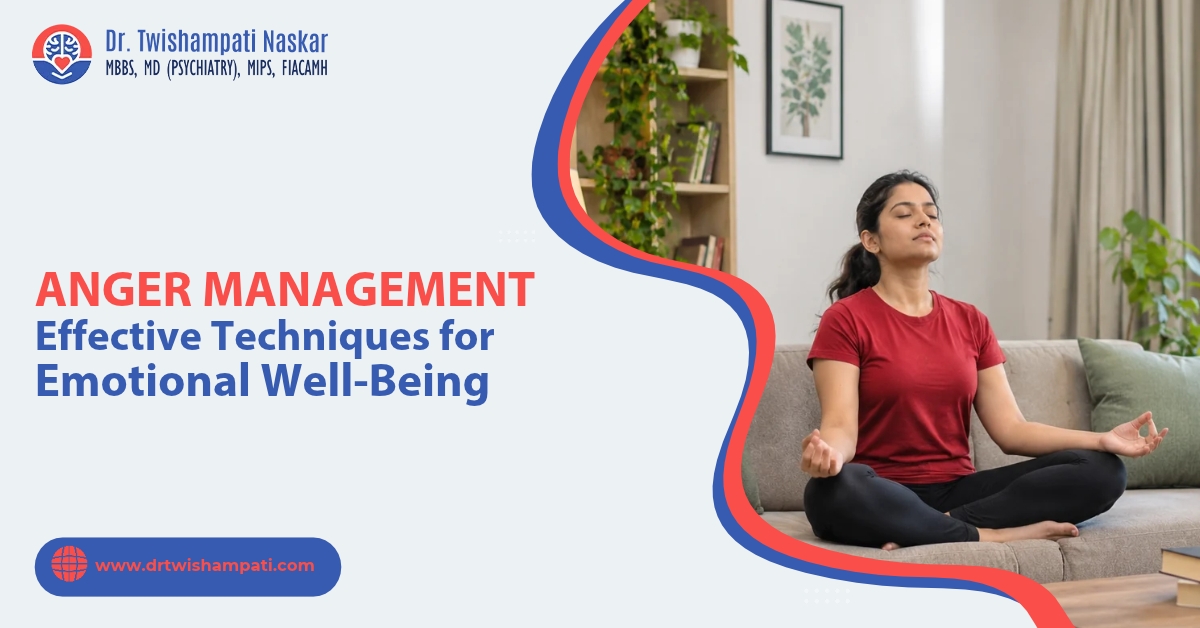
When you feel angry, take a few moments to slow down and pay attention to your breathing.
- Breathe in slowly through your nose.
- Breathe out gently.
- Repeat a few times.
- Sit comfortably.
- Give yourself a moment before speaking.
Example: Before replying to a message that has upset you, put your phone down and take a few slow breaths.
3- Know What Makes You Angry
Think about what usually makes you lose your patience. Ask yourself:
- Which comments upset me?
- What arguments keep happening?
- Do I get irritated in certain situations?
- Are there situations where I find it hard to stay calm?
Example: If you get annoyed when someone interrupts you, politely ask them to let you finish speaking.
4- Talk About Your Feelings Calmly
You do not have to shout or blame someone to explain that you are upset. Tell them what is upsetting you.
- Explain what upset you.
- Speak without shouting.
- Let the other person share their side.
- Avoid personal remarks or insults.
- Stick to the matter you are discussing.
Example: Say, "I felt hurt when my opinion was ignored."
5- Think Before Jumping to Conclusions
Sometimes, you may get angry because you assume the worst. Before reacting, take a moment to think about what happened.
- Check what actually happened.
- Think about other possible reasons.
- Avoid making assumptions.
- Leave past arguments out of a new conversation.
- Give yourself time to respond.
Example: If a friend does not reply to your message, they may be busy. Try not to assume they are ignoring you.
6 -Stay Physically Active
Keep it simple. Make time for an activity you enjoy.
- Go for an evening walk.
- Try swimming or cycling.
- Stretch between work tasks.
- Play a sport with friends.
- Spend time doing something you enjoy.
Example: After a busy day at work, go for a walk or spend some time outdoors.
7- Make Time for Relaxation
You may spend most of your day dealing with work and other responsibilities. Take a few minutes for yourself.
- Try meditation.
- Sit quietly for a while.
- Listen to your favourite music.
- Read a book.
- Spend time on a hobby.
- Take a break from your usual tasks.
Example: If you are getting impatient while waiting in a queue, listen to music or look around instead of getting worked up.
8- Take a Break During an Argument
If you feel too upset to continue talking, there is no need to keep the argument going.
- Move to another room.
- Ask the other person for some time.
- Take a short walk.
- Avoid sending angry messages.
- Talk again when you're ready.
Example: Say, "I'm getting upset. Pause now and talk when we're both ready."
9- Know Your Limits and Set Boundaries
You do not have to say yes to everything. Be honest about what you can manage and speak up when something bothers you.
- Say no when you have too much work.
- Let someone know when their behaviour upsets you.
- Do not take responsibility for everything.
- Respect other people's opinions.
- Ask for help when you need it.
Example: Tell your colleague, "I need to finish my current work before I can take on another task."
10- Make Time for Sleep and Rest
Between work and daily responsibilities, it is easy to forget to take a break. Make sure you get enough rest and give your body time to recover.
- Try to go to bed at a regular time.
- Take short breaks during work.
- Avoid staying up late unnecessarily.
- Put your phone away before bedtime if it keeps you awake.
- Make time for activities you enjoy.
Example: If you have had a tiring day, take some time to rest before discussing something that has been bothering you.
How Can You Manage Anger in Everyday Situations?
Some everyday situations can test your patience. Here are a few ways to handle them without reacting straight away.
|
Situation |
What You Can Do |
|
Argument with a family member |
Take a break, listen, and explain what is bothering you. |
|
Work-related frustration |
Step away for a few minutes and return to one task at a time. |
|
Being criticised |
Hear what the person has to say before replying. |
|
Traffic delays |
Take a few slow breaths and avoid reacting angrily. |
|
Feeling ignored |
Tell the other person how you feel. |
|
Repeated disagreements |
Talk about the issue instead of starting another argument. |
|
Unexpected changes in plans |
Give yourself some time to adjust. |
|
Someone speaking rudely |
Keep your voice calm and make your boundaries clear. |
|
Too many responsibilities |
Decide what needs to be done first and ask for help. |
|
Feeling misunderstood |
Speak clearly and listen to the other person. |
|
Making a mistake |
Think about how you can correct it. |
|
Receiving an upsetting message |
Wait until you feel ready before replying. |
When Should You Seek Professional Help for Anger Management?
Sometimes, it can be difficult to handle anger on your own. You may want to speak with a mental health professional if:
- You often lose your temper over small things.
- Arguments regularly turn into shouting.
- Anger is causing problems in your relationships or at work.
- You threaten others or damage things when angry.
- You find it difficult to calm down.
- You regret what you say or do during angry moments.
- The techniques you have tried are not helping.
- You have thoughts of hurting yourself or someone else.
A psychologist or counsellor can give you a space to talk about what is bothering you and help you work on different ways to respond. If you feel you might hurt yourself or someone else, get help immediately.
Conclusion
When you get angry, your body may enter a fight-or-flight response. You may feel ready to argue, walk away, or escape the situation. At that moment, it can be harder to think clearly and choose how to respond.
When you feel anger building up, pause and take three slow, deep breaths. Breathe in through your nose and out through your mouth. Give yourself a moment to settle down before reacting.
You can also ask yourself a few simple questions: Do I want to solve this problem or make it worse? What can I do right now to handle the situation calmly? These questions can help you think before you respond.
If you often find it difficult to manage your anger, speaking with a mental health professional can help. They can help you understand your reactions, explore effective anger management tips, and develop healthier ways to manage your emotions.
Frequently Asked Questions
Is Anger a Normal Emotion?
Yes, anger is a normal human emotion. You may feel angry when something frustrates you, disappoints you, or feels unfair.
Can Anger Management Techniques Improve Relationships?
They can help you talk about your feelings, listen to others, and handle disagreements without saying hurtful things.
What Is the Best Way to Control Anger?
Pause before reacting. You can also try slow breathing and explain what is bothering you without shouting.
Which Organ Is Affected by Anger?
There is no single organ that is affected in every person. Some people notice changes such as faster breathing, a quicker heartbeat, or muscle tension when they are angry.
Can Therapy Help Manage Anger Issues?
A psychologist or counsellor can help you understand what makes you angry and work with you on ways to handle difficult situations.