


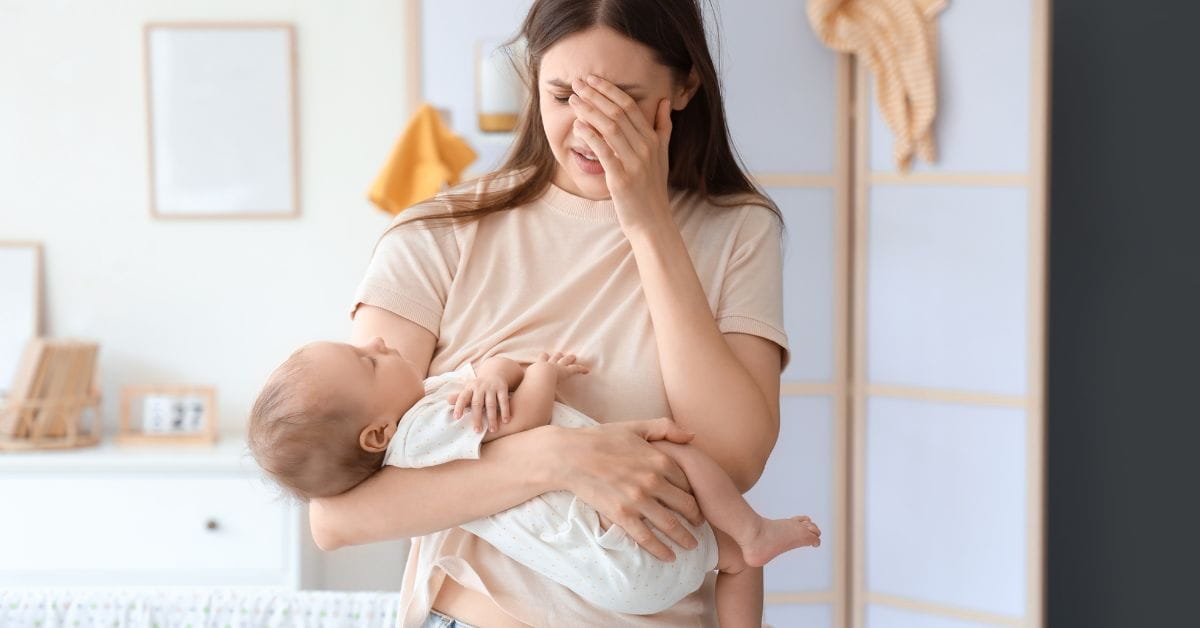
Having a baby brings happiness and excitement, but it also brings sleepless nights, tiredness, worries, and emotional changes. For some new mothers, these feelings continue and start affecting their daily life.
This can be a sign of postpartum depression. If you feel continued sadness, anxiety, guilt, or loss of interest after childbirth, it may be a sign of postpartum depression. A Depression Doctor in Siliguri can help you understand what you are going through.
What Is Postpartum Depression?
This is a type of depression that happens after childbirth. It can start soon after delivery or develop in the weeks or months that follow.
Feeling emotional, crying, getting irritated, or feeling tired is common after childbirth. These feelings, often called the “baby blues,” usually get better within about two weeks. Postpartum depression is different.
The sadness, worry, or loss of interest can be stronger and may make it hard to care for yourself or enjoy time with your baby.
What Are the Signs of Postpartum Depression that Mothers Shouldn’t Ignore?
The signs can be different for every mother, but some common ones include:
Persistent Sadness or Frequent Crying
It's common to feel emotional after childbirth. However, if the sadness does not improve for several weeks, these feelings may be a sign that you need more support after becoming a mother.
Some signs include:
- Feel sad, empty, or hopeless most of the day
- Cry frequently without knowing why
- Feel emotionally low even when things are going well
- Find it difficult to feel better after talking to family or friends
Losing Interest in Things You Enjoy
You lose interest in your favourite activities, which make you happy once in a while. This can include hobbies, socialising, spending time with your partner, or simply going outside.
You may notice that:
- You avoid meeting friends or family
- Your favourite activities no longer feel enjoyable
- You spend most of your free time alone
- You feel little excitement about things you previously looked forward to
Feeling Overwhelmed All the Time
Caring for a newborn can be hard, but postpartum depression can make everyday tasks feel overwhelming.
You may notice signs:
- Feel that you cannot manage the baby or household
- Struggle with simple tasks such as bathing or preparing food
- Feel overwhelmed by small problems
- Believe that you are unable to cope with motherhood
Constant Anxiety or Excessive Worry
Postpartum depression can sometimes appear mainly as anxiety. You may worry constantly about your baby's health or fear that something bad will happen.
Signs may include:
- Repeatedly checking on your baby
- Finding it difficult to relax
- Worrying about things that normally would not concern you
- Having racing thoughts that are difficult to control
- Feeling nervous even when there is no obvious problem
Unusual Irritability or Anger
Not every mother with postpartum depression feels sad. Some mainly notice that they are becoming unusually angry or impatient.
Common signs include:
- Irritation over small things
- Losing your temper easily
- Frustration with family or your partner
- Feeling guilty after getting angry
Feeling Guilty or Like a Bad Mother
Postpartum depression can make you judge yourself very harshly. You may feel that you are not doing enough, even when you are trying your best.
You might feel:
- “I am not a good mother.”
- “I should be able to handle this.”
- “Other mothers are doing better than me.”
- “My baby deserves better.”
These thoughts can make you feel ashamed and stop you from asking for help. Remember that struggling does not mean you are failing as a mother.
Difficulty Bonding With Your Baby
Bonding does not always happen immediately after childbirth. Some mothers need time to develop a strong emotional connection with their baby. However, postpartum depression may make you feel unusually distant or emotionally numb.
Common signs include:
- Difficulty enjoying time with your baby
- Feeling disconnected while caring for your baby
- Feeling guilty about not feeling happy
- Feeling like you are only doing your duties
This does not mean that you do not love your baby. If the feeling continues and causes distress, professional support can help.
Changes in Sleep
Sleep disruption is normal when you have a newborn. The concern is when your sleep problems go beyond the baby's routine.
Common signs:
- Trouble sleeping when your baby is asleep
- Staying awake because of worry
- Sleeping much more than usual
- Feeling tired even after resting
Ongoing sleep problems can also make other symptoms of depression harder to manage.
Changes in Appetite
Your eating habits may also change when you are dealing with postpartum depression.
Common signs include:
- Losing your appetite or skipping meals
- Eating much more than usual
- Little interest in food
- Noticeable changes in eating habits
If these changes continue along with other symptoms, mention them during your consultation.
Extreme Tiredness and Low Energy
Feeling tired after childbirth is expected, especially when your sleep is interrupted. But postpartum depression can bring a deeper kind of exhaustion.
Common signs include:
- Loss of appetite or skipping meals
- Eating more than usual
- Little interest in food
- Changes in usual eating habits
If your tiredness feels constant and comes with sadness, anxiety, or loss of interest, do not simply assume it is part of being a new mother.
Feeling Worthless or Hopeless
You may start believing that you are not good enough or that things will never get better.
Common signs include:
- Frequent negative thoughts about yourself
- Feeling like a burden to your family
- Feeling like you are failing as a mother
- Feeling that things will not get better
- Losing confidence in daily life
Persistent hopelessness should not be ignored, especially when it starts affecting your daily routine.
Avoiding Family and Friends
You may slowly start pulling away from the people around you.
Common signs include:
- Ignoring phone calls
- Avoiding visitors
- Canceling plans often
- Spending most of the time alone
- Avoiding honest conversations
Sometimes mothers withdraw because they feel embarrassed or fear being judged. But keeping everything to yourself can make the situation harder.
When Can Postpartum Depression Start?
Postpartum depression can start soon after birth or develop weeks or months later. Some mothers may feel fine at first but develop symptoms later
If sadness, anxiety, or other symptoms continue or affect daily life, consulting with a depression doctor can provide support and the right treatments.
Why Does Postpartum Depression Happen?
- Hormonal changes after childbirth
- Lack of sleep and constant tiredness
- Pain or difficult recovery after delivery
- Difficult pregnancy or childbirth
- Previous depression or anxiety
- Depression or anxiety during pregnancy
- Feeling overwhelmed by new responsibilities
- Lack of support from family or partner
- Relationship or financial problems
- Breastfeeding or feeding difficulties
- Concerns about the baby’s health
- Major changes in daily life
- Feeling isolated or alone
- Pressure to be a “perfect” mother
- Lack of time for rest and self-care
- Previous postpartum depression
Who Is More Likely to Develop Postpartum Depression?
Postpartum depression can affect any mother, but some factors may increase the risk:
Previous depression or anxiety:Past mental health problems can raise the risk.
Depression during pregnancy: Symptoms may continue after childbirth.
Lack of support: Not getting help from family or a partner can increase stress.
Baby’s health problems:Ongoing concerns can cause extra worry.
Severe sleep loss:Poor sleep can make emotions harder to manage.
Breastfeeding difficulties: Feeding problems can increase stress.
Relationship or financial stress: Ongoing problems can increase emotional pressure.
Previous postpartum depression: It can increase the chance of having it again.
Feeling overwhelmed: Difficulty adjusting to motherhood can add to stress.
When Should You See a Doctor for Postpartum Depression?
- Symptoms lasting more than two weeks
- Ongoing sadness, crying, or anxiety
- Severe anger or irritability
- Loss of interest in daily activities
- Difficulty bonding with your baby
- Major changes in sleep or appetite
- Constant guilt, hopelessness, or low self-worth
- Having difficulty managing daily tasks
- Avoiding family and friends
- Trouble concentrating or making decisions
- Thoughts of harming yourself or your baby
At The End
Postpartum depression can affect how a mother feels, thinks, and manages daily life after having a baby. Persistent sadness, anxiety, guilt, loss of interest, or difficulty bonding with your baby should not be ignored. Recognizing these signs early can help you get the right support and treatment.
Dr. Twishampati Naskar is one of the depression doctors in Siliguri who helps patients understand their symptoms and get the right treatment and support.